August 15 – 17, 2014
Join The Southern Maryland Civil War Round Table’s Spring Field trip speaker and guide Phillip Greenwalt and other notable authors as they discuss the Civil War in 1864 at Stevenson Ridge. Stevenson Ridge, one of the m,ost historic properties in Spotsylvania County, is located on the Spotsylvania Court House Battlefield, 12 miles south of Fredericksburg, Virginia. The property includes nine restored historic cottages and unique Civil War earthworks. Lodging packages for the symposium are available. Contact info@stevensonridge.com for details.

Friday, August 15, 2014:
Reception and Panel Discussion
Saturday, August 16, 2014:
Speakers Series featuring
Daniel T. Davis – “More Desperate Fighting Has Not Been Witness on this Continent“: Ulysses S. Grant and the Overland Campaign
Phillip Greenwalt – From ‘Old Bald Head’ to ‘Lee’s Bad Old Man’: A Study of the Second Corps, Army of Northern Virginia in 1864
Chris Kolakowski – 1864: The Last Stand of the Confederate Navy
Meg Thompson – A Bad Month for the President: Campaigning the Election of ’64
Lee White – “To die like men”: Patrick Cleburne and the Tennessee Campaign of 1864
Eric Wittenberg – The Trevilian Station Raid
Plus: Savas Beatie publisher Theodore Savas and historian David Powell
Sunday, August 17, 2014
Battlefield tours of Wilderness and Spotsylvania, led by ECW co-founders Kristopher D. White and Chris Mackowski
Registration: $55 for all three days, which includes Friday evening reception, Saturday morning coffee service, and Saturday lunch. For more information or to register, go to www.emergingcivilwar.com for details.


 will sponsor a lecture given by James Ogden, Historian, Chickamauga and Chattanooga National Military Park and Moccasin Bend National Archeological District on Wednesday, June 11, 2014 at the Leonardtown Library at 7:00pm.
 in a purposeful show of reconciliation and reunification; once divided, now reunited. One of the places where this Gilded Age agenda played out, the first place, was on ground hallowed by some of those very veterans in 1863—Chickamauga and Chattanooga—the battles of one of the most important campaigns of the war, a campaign in which both sides could claim a victory, Chickamauga for the Confederates, Chattanooga for the Union.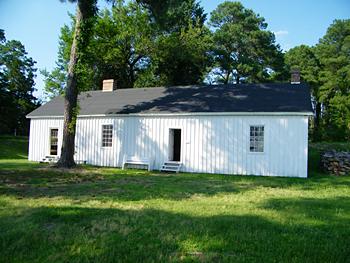

 Your Brother in Arms: A Union Soldier’s Odyssey“.
 hospital near Petersburg, VA will also be discussed.

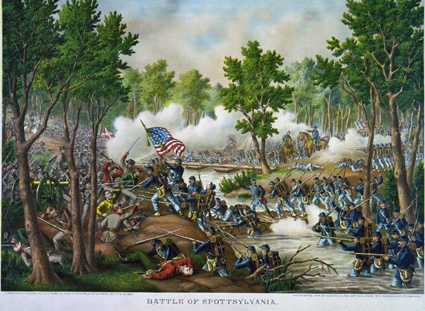
 Maryland Civil War Round Table as we welcome our tour guide; Phillip Greenwalt. Mr. Greenwalt will give us an overview of the sites, sounds and events from the Wilderness and Spotsylvania Court House Battlefields in May 1864, that we will visit in person on the 26th. These battles mark the first encounters with the Army of Northern Virginia by the Army of the Potomac under the command of Gen. Ulysses S. Grant. Among the areas to be discussed will be the fighting at Saunders Field, the Widow Tapp Field and the Orange Plank Road in the Wilderness and the “Bloody Angle” at Spotsylvania. These two battles set the stage for what would become known as the Overland Campaign and the desperate struggle between Grant, Lee and their armies.
 The Shenandoah Valley Campaign of 1864″, part of the Emerging Civil War Series was published by Savas Beatie LLC in November 2013. Mr. Greenwalt’s second book, also co-authored with Dan Davis, entitled “Hurricane From the Heavens, The Battle of Cold Harbor”, is due out in June 2014. He is also a full-time contributor to the blog, Emerging Civil War (www.emergingcivilwar.com) and has spoken at lecture series and history round tables in numerous states.